Blog

Rabies in Regency England: The Terror of the Mad Dog Rabies is a disease we

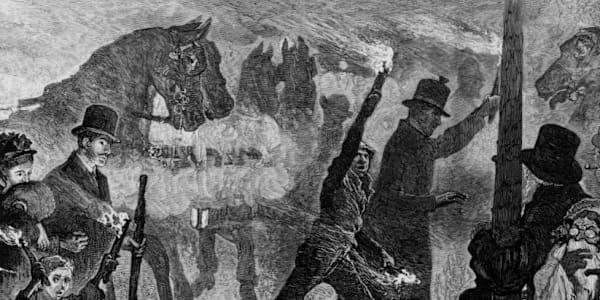
Rabies is a disease we seldom encounter in modern Britain, but in Regency England it was a frightening and very real threat. Often called hydrophobia when it appeared in humans, or described as canine madness when it afflicted dogs, rabies was well known long before physicians understood viruses or had any reliable means of preventing the disease after a dangerous exposure.

I touch upon rabies in Forsaking All Others, A Pride and Prejudice Variation. It is one of those subjects that required...

 The Smoke Over Regency LondonWhen we picture Regency London, it is easy to

The Smoke Over Regency London

When we picture Regency London, it is easy to think first of elegant townhouses, fashionable shops, theaters, assembly rooms, and carriages filling the streets. What is less appealing to imagine is the air.

London was already a smoky and dirty city during Jane Austen's lifetime. The severe industrial pollution associated with later Victorian London had not yet reached its height, but smoke had troubled the capital for centuries. By the Regency period, a large and...

When a Letter Could Not Wait: The Express in Regency England  When a

When a Letter Could Not Wait: The Express in Regency England

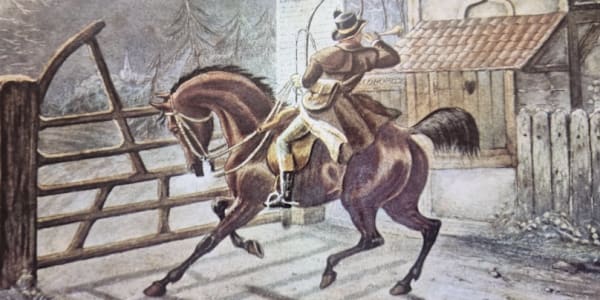
Today, when we have urgent news to share, we can make a telephone call, send a text, or write an email and expect it to arrive almost immediately. In Regency England, communication over any distance was much more complicated. For most people, the letter was the principal means of communicating with family, friends, and business associates who lived elsewhere. Letters traveled surprisingly efficiently through the British postal...

Quill, Ink, and Paper: The Art of Letter Writing in Regency England There

There is something wonderfully romantic about a Regency letter.

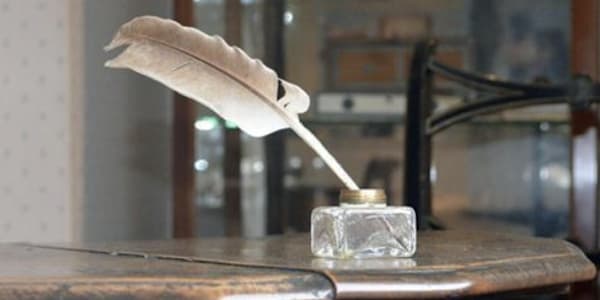
A sheet of paper rests upon a writing desk. A freshly sharpened quill is dipped into an inkwell. The writer bends over the page and carefully forms each word by hand. When the letter is finished, the paper is folded, addressed, and sealed with wax before beginning its journey to someone miles away.

In Regency England, letters were far more than charming keepsakes. They were one of the principal ways people separated by distance...

The Field of Honor: Dueling in Regency England Imagine two gentlemen

Imagine two gentlemen standing opposite one another on a misty field at dawn.

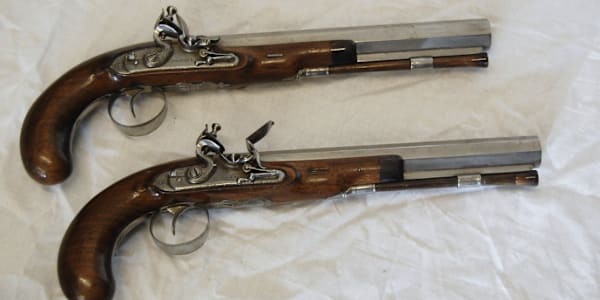
Each holds a pistol.

A few yards away stand their seconds, gentlemen who have arranged the meeting and who still hope, perhaps, that honor can be satisfied without bloodshed.

The quarrel may have begun with an insult, an accusation of dishonesty, an affront to a lady, or an attack upon a gentleman's reputation. Whatever its cause, the dispute has now reached what Regency society called an affair of honor.

The men have...

3 Books by Lily Michaels on a Kindle Countdown Deal for $0.99 cents in 7/25/26

https://www.amazon.com/dp/B0GWYRVQST With This Ring $0.99 cents starting 7/25

https://www.amazon.com/dp/B0FGW398C4 Forsaking All Others $0.99 cents starts 7/25

https://www.amazon.com/dp/B0H6RTRFX9 Dearly Beloved $0.99 cents starting 7/27

Dressed in Grief: Mourning Clothes in Regency England Death was a familiar

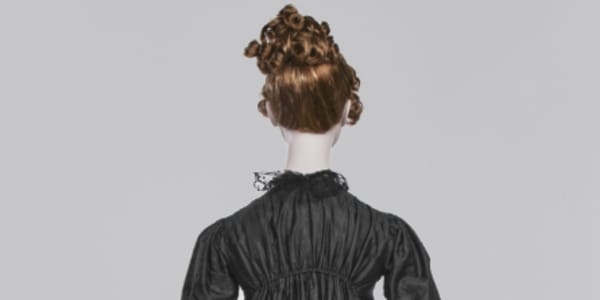
Death was a familiar presence in Regency England.

Without antibiotics, modern surgery, vaccines for many diseases, or the medical treatments we take for granted today, families regularly lost parents, spouses, siblings, and children. Death did not merely bring private sorrow. It also brought an elaborate set of social expectations, including one that could be seen immediately by everyone a grieving person encountered.

They wore mourning.

For women, that usually meant black gowns and subdued...

3 Books by Lily Michaels on a Kindle Countdown Deal for $0.99 cents in

3 Books by Lily Michaels on a Kindle Countdown Deal for $0.99 cents in July.

Starting July 25th - August 1st: https://www.amazon.com/dp/B0FGW398C4

Starting July 25th - August 1st: https://www.amazon.com/dp/B0GWYRVQST

Starting July 27th - August 3rd: https://www.amazon.com/dp/B0H6RTRFX9
See

The Water Closet: A Remarkable Luxury in Regency England When we imagine a

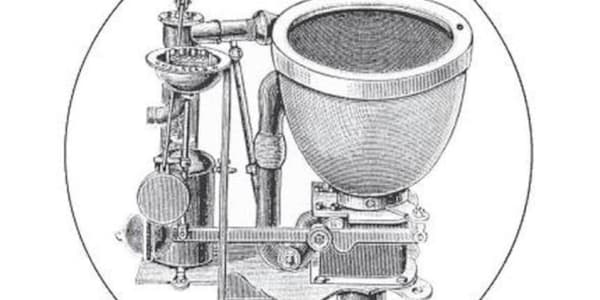
When we imagine a fine country house in Regency England, we tend to think of sweeping staircases, elegant drawing rooms, four-poster beds, servants carrying silver trays, and perhaps a magnificent library filled with leather-bound books.

We rarely wonder where Elizabeth Bennet went when she needed to use the necessary.

Yet the answer shows something fascinating about everyday life in Jane Austen's world.

By the Regency period, an invention that seems thoroughly modern had already appeared in...

The Peninsular War: British Soldiers Fighting Far From Jane Austen's

When we think of Regency England, our imaginations often turn to country estates, assembly rooms, elegant gowns, afternoon calls, and young ladies hoping to catch the eye of an eligible gentleman. Yet beyond those drawing rooms, Britain was engaged in a long and brutal struggle against Napoleon Bonaparte.

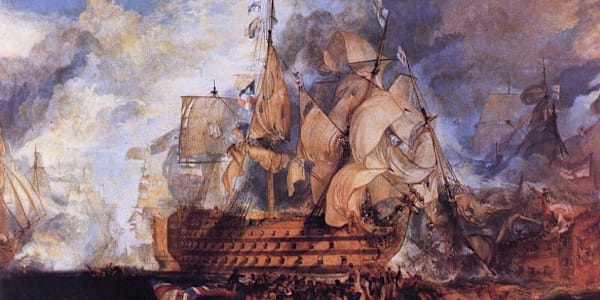
One of the most important chapters of that struggle was the Peninsular War, fought primarily in Portugal and Spain from 1808 until 1814.

For Britain, the Peninsular War became one of the...

The Napoleonic Wars: The Conflict That Shaped Jane Austen's World

When we think of Jane Austen's novels, we often picture elegant country estates, assembly balls, afternoon teas, and blossoming romances. It is easy to forget that while Elizabeth Bennet sparred with Mr. Darcy and Anne Elliot renewed her acquaintance with Captain Wentworth, Britain was engaged in one of the greatest conflicts in its history.

The Napoleonic Wars, fought from 1803 to 1815, touched nearly every aspect of life in Regency England. Although the battles were fought across Europe and...

Women, Work, and Social Status in Regency England When we imagine a


When we imagine a gentlewoman in Regency England, we often picture elegant drawing rooms, afternoon calls, dances, music, embroidery, and leisurely walks through the countryside. What we sometimes forget is how precarious that comfortable existence could be.

For a woman of the gentry, financial security depended largely upon the men in her life. Her father might provide for her while she was unmarried, and a husband was expected to support her after marriage. But what happened when there was...

Accomplished Women in Regency England: Music, Grace, and the Gift of Song


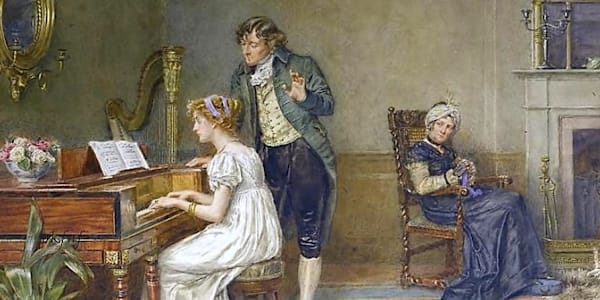
In Jane Austen's England, a young lady's education extended far beyond reading, writing, and household management. Gentlewomen were expected to become accomplished women, cultivating talents that reflected refinement, discipline, and good breeding. Music, singing, drawing, dancing, modern languages, elegant handwriting, and graceful conversation were all considered desirable accomplishments. They were not merely amusements. They demonstrated that a young woman had received a proper education...

How Did People Travel During the Regency? From Stagecoaches to Elegant

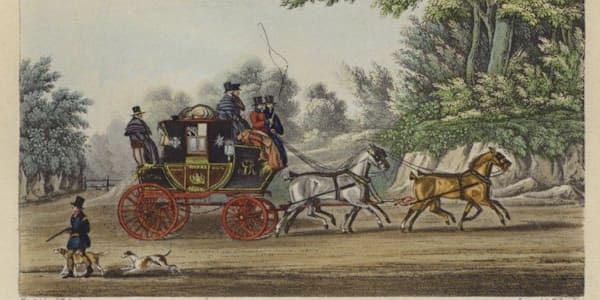
How Did People Travel During the Regency? From Stagecoaches to Elegant Carriages

One of the questions I research most often while writing my Pride and Prejudice variations is surprisingly simple:

How did people travel?

Whether Elizabeth Bennet is journeying to London, Mr. Darcy is racing to Pemberley, or the Bennet sisters are visiting their aunt and uncle on Gracechurch Street, I want every mile of the journey to feel authentic.

Travel was a very different experience during the Regency. There...

The Entail: The Law That Hung Over Every Bennet Daughter  One of the

One of the most important legal concepts in Pride and Prejudice is also one of the least understood by modern readers: the entail.

Without understanding entails, it is difficult to appreciate just how precarious the future of the Bennet sisters truly was. Their anxiety was not simply the result of an overdramatic Mrs. Bennet. It was grounded in the realities of English property law during the Regency period.

An entail (properly called a fee tail) was a legal arrangement that restricted how...

The Beautiful Needlework of Regency Gentlewomen When we think of works of

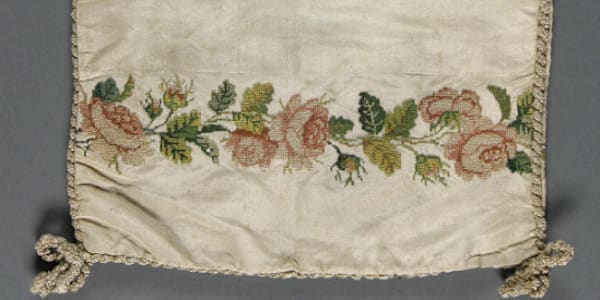
When we think of works of art from the Regency period, we often picture grand oil paintings hanging in stately homes or elegant marble sculptures displayed in country estates. Yet some of the most beautiful works of art created during Jane Austen's lifetime were stitched one careful thread at a time by the women of the household.

Unlike today, respectable gentlewomen had very few acceptable artistic outlets. Society expected them to become accomplished wives and mothers, not professional...

 Michaelmas: The Day That Marked a New Beginning in Regency England When


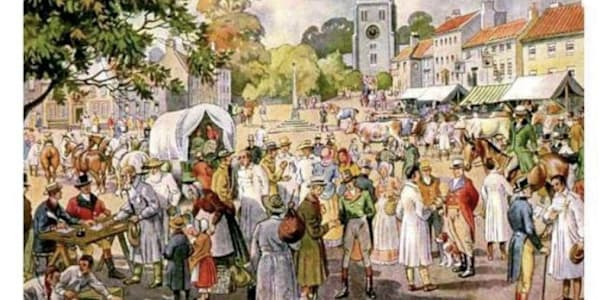
When reading Jane Austen, we occasionally come across references to dates and holidays that were instantly familiar to her original readers but leave modern readers wondering about their significance. One such day is Michaelmas, celebrated on September 29, the Feast of St. Michael and All Angels.

Jane Austen mentions it early in Pride and Prejudice when Mrs. Bennet eagerly shares the exciting news that Netherfield Park has been let:

“Why, my dear, you must know, Mrs. Long says that Netherfield...

 Tattersall's: The Regency Gentleman's Marketplace One of the delights of


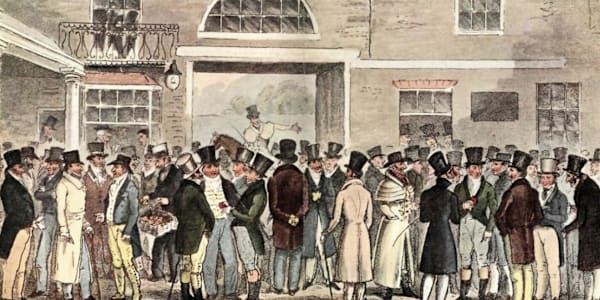
One of the delights of writing Pride and Prejudice variations is discovering the fascinating places that filled the everyday lives of Jane Austen's gentlemen. We often picture Mr. Darcy riding across Pemberley's fields or Mr. Bingley driving his curricle through the countryside, but where did wealthy gentlemen actually purchase the horses that made such travel possible?

The answer was often Tattersall's.

I touch on Tattersall's in my upcoming Pride and Prejudice variation, where it provides the...

The Marshalsea: Debt, Desperation, and Regency England One of the realities


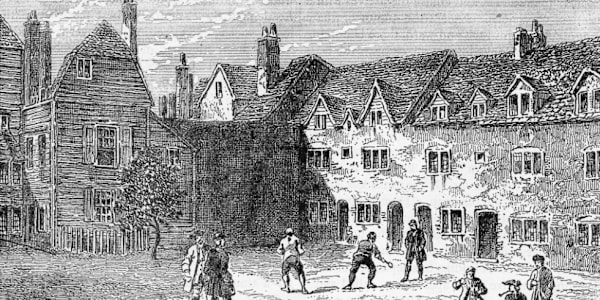
One of the realities of Regency England that often surprises modern readers is the existence of debtors' prisons. Today, we generally think of debt as a financial problem to be resolved through repayment plans or bankruptcy laws. Two hundred years ago, however, an unpaid debt could cost a person not only his fortune but also his freedom.

This fascinating and sobering aspect of Regency life appears in my novel Forsaking All Others, where Mr. Wickham faces the possibility of being sent to the...

Twelfth Night: The Grand Finale of the Regency Christmas Season When we


When we think of Christmas celebrations today, they often seem to end as soon as December 25 has passed. During the Regency, however, the Christmas season continued for twelve days, reaching its joyful conclusion on Twelfth Night, celebrated on the evening of January 5, the eve of the Feast of the Epiphany.

It was a night of merriment, music, dancing, games, and hospitality, making it one of the most festive evenings of the year.

Yes, Twelfth Night was an excellent occasion for a ball, and many...