Blog

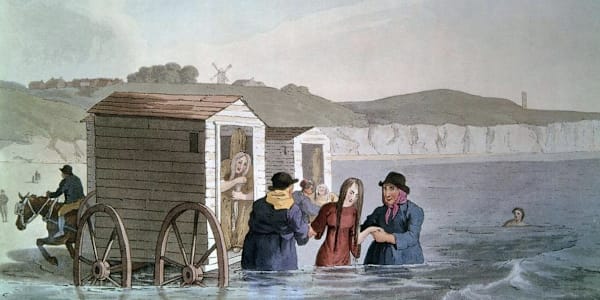
 Sea Bathing in Regency England: More Than a Day at the Beach One of the

One of the pleasures of writing Pride and Prejudice variations is exploring the fascinating customs that shaped everyday life during the Regency. One such custom that appears in several of my books is sea bathing. Today we think of a trip to the seaside as a leisurely holiday filled with sunshine and relaxation, but for Jane Austen's contemporaries, sea bathing was believed to be a genuine medical treatment.

Jane Austen herself makes reference to this enthusiasm in Pride and Prejudice when...

EXCERPT OF NEW RELEASE: Forsaking All Others, A Pride and Prejudice

NEW RELEASE: Forsaking All Others, A Pride and Prejudice Variation by Lily Michaels

Link to Amazon Kindle Unlimited: https://www.amazon.com/dp/B0H6RTRFX9

Link to Goodreads Giveaway: https://www.goodreads.com/giveaway/show/444599-forsaking-all-others-a-pride-and-prejudice-variation

Prologue

January 12, 1811

Georgiana started at the loud rapping on the front door.

“Mrs. Younge, is Mr. Wickham dining with us?”

"He is." Mrs. Younge giggled, like a love-struck girl.

“He is exceedingly amiable, do not...


One of the recurring themes throughout all of my Pride and Prejudice variations is the education and accomplishments expected of a Regency gentlewoman. It is a fascinating subject because, while young ladies were encouraged to become "accomplished," their world was surprisingly limited. Society approved of only a narrow range of pursuits, and many talents that we celebrate today were considered unsuitable for women.

Jane Austen captured this expectation perfectly in Pride and Prejudice during...

Magdalene Houses: A Second Chance for Fallen Women in Regency England

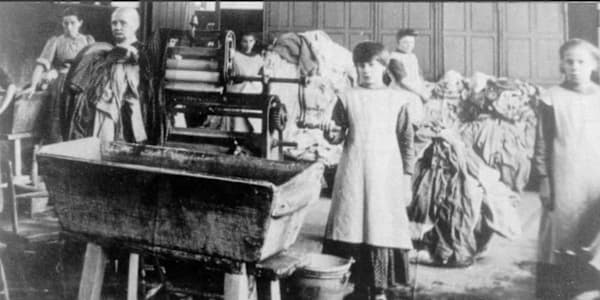
Magdalene Houses: A Second Chance for Fallen Women in Regency England

One of the historical subjects I touch on in one of my latest novels, Dearly Beloved: A Pride and Prejudice Variation, is the existence of Magdalene Houses. While they are seldom mentioned, they were very much a part of the social landscape during the Regency era and reflected both society's compassion and its harsh judgments toward women who had lost their reputations.

The term "fallen woman" carried enormous weight in...

In Regency England, a fallen woman could find herself in a perilous position.

I touch on this topic in various of my books because a woman’s reputation was not merely a matter of pride. It could determine whether she had shelter, employment, protection, or any hope of a respectable future. A woman who lost her reputation, especially if she had no family willing to receive her, might have very few choices left.

London in the Regency era had a large and visible sex trade. Brothels were...

The East India Company and Regency England


While writing Forsaking All Others, I touched briefly upon the East India Company, one of the most powerful organizations in the world during the Regency era.


Founded in 1600, the East India Company began as a trading company but eventually grew into something far larger. By the early 1800s, it controlled vast territories in India, maintained its own army, collected taxes, and influenced British politics. At one point, it employed hundreds of thousands...